
“`html
Understanding IPTV: The Future of Television in Canada and the USA
Many viewers are facing higher costs and a shrinking selection of channels from traditional cable and satellite TV providers. Understanding IPTV allows consumers to explore new options that could save money while providing access to more content. IPTV, or Internet Protocol Television, is becoming a popular choice among viewers in Canada and the USA for its cost-effectiveness and extensive channel libraries.
What is IPTV? Understanding the Basics
IPTV stands for Internet Protocol Television, a method of delivering television content via Internet Protocol (IP) networks rather than traditional cable or satellite systems. Unlike cable and satellite TV, which rely on physical infrastructure to transmit signals, IPTV uses broadband internet connections to stream content directly to viewers. This technology enables features such as live TV, video-on-demand (VOD), and interactivity, allowing users to pause, rewind, and record shows.
The technology behind IPTV involves IP multicast and unicast methods. Multicast allows multiple viewers to receive the same content stream simultaneously, which optimizes bandwidth usage. Unicast, on the other hand, dedicates a channel for each viewer, providing personalized content delivery. IPTV also utilizes various codecs, which compress and decompress video files for efficient streaming, along with adaptive streaming, which adjusts the quality based on the viewer’s internet speed. Together, these technologies make IPTV an attractive option for modern television viewing (source: Wikipedia, Wray Castle, Plume). For more insights, you can check out What is IPTV?.
Historical Development of IPTV in Canada and the USA
The historical development of IPTV in Canada and the USA showcases a significant shift in how people consume television. Canada was an early adopter of IPTV services, beginning with NBTel’s VibeVision launch in 1999, which allowed viewers to access a mix of live TV and on-demand programming. By 2010, Bell Fibe TV further solidified IPTV’s presence in the Canadian market, providing customers with a robust selection of channels and services.
In contrast, the United States saw landmark developments with the introduction of services like Google Fiber, enhancing competition and offering high-speed internet alongside IPTV services. These advancements encouraged a shift away from traditional cable, as consumers sought more flexible and affordable viewing options. This transition highlights how IPTV has become a pivotal player in the landscape of television services across North America (source: Wikipedia).
Comparing IPTV to Traditional Cable and Satellite
When comparing IPTV to traditional cable and satellite, several key differences emerge in terms of delivery methods, features, and costs. Traditional services typically require a physical connection and a subscription with bundled packages, often resulting in higher costs for consumers. In contrast, IPTV allows viewers to choose only the channels and features they want, leading to significant cost savings.
Some studies have shown that customers who switch to IPTV can save up to 30% on their monthly bills. Additionally, IPTV services often provide a wider selection of channels, including niche offerings not available on traditional platforms. This flexibility allows viewers to personalize their viewing experience based on preferences and viewing habits. Companies are increasingly catering to this demand, using data analytics to tailor offerings and enhance customer satisfaction (source: UniPark Forum, Infomir Store).
Navigating IPTV Legalities: Official vs. Unofficial Services
Understanding the legality of IPTV services is crucial for consumers. Legal IPTV services, such as Bell Fibe TV and AT&T TV, operate under strict content licensing agreements, ensuring that users can enjoy their favorite shows without legal concerns. In contrast, unofficial IPTV services often reside in legal gray areas, utilizing unlicensed content. These services present risks, including potential legal repercussions and the need for Virtual Private Networks (VPNs) for privacy protection.
While unofficial IPTV may seem appealing due to lower prices, it’s essential to consider the long-term implications, both legally and in terms of consumer support. Therefore, opting for legal IPTV solutions is advisable not only for compliance with copyright laws but also for reliable customer service and quality content access (source: UniPark Forum, Plume).
FAQ Section
1. What are the advantages of switching to IPTV?
Switching to IPTV offers several advantages, including significant cost benefits by eliminating high cable subscription fees. IPTV allows users greater channel flexibility, enabling them to tailor their viewing experiences. Additionally, interactive features, like on-demand viewing and DVR capabilities, enhance the overall viewing experience.
2. How does IPTV content delivery work?
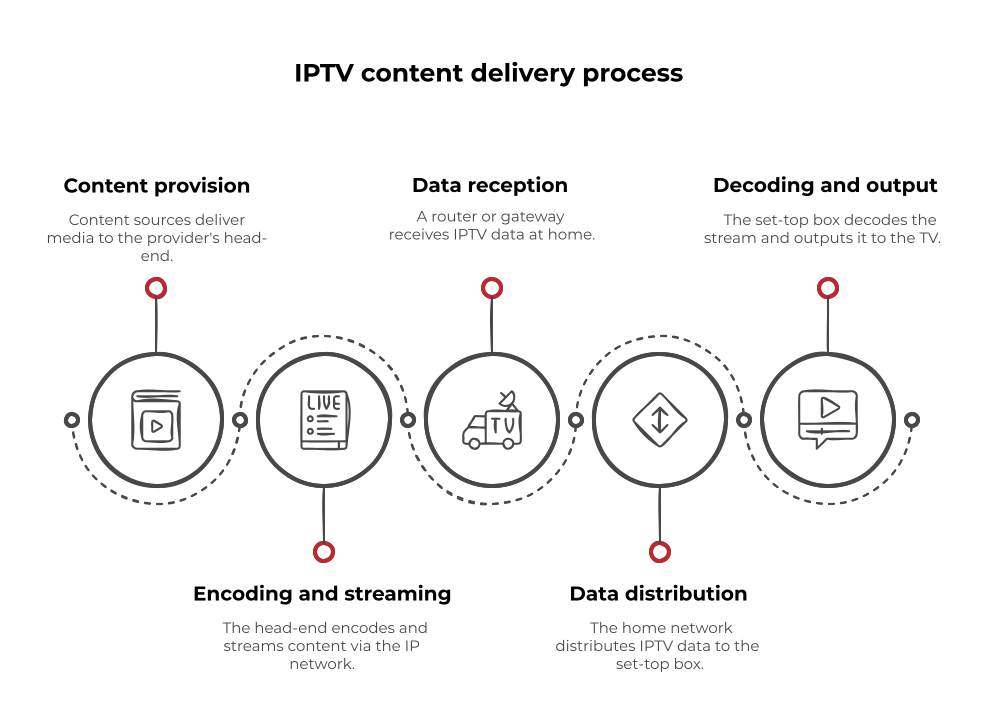
IPTV uses multicast and unicast technologies for content delivery. Multicast streams content to multiple users simultaneously, while unicast delivers individualized streams to each viewer. It’s important to note that a reliable internet speed is crucial for optimal performance, as slower connections may lead to buffering or reduced video quality.
3. Is IPTV legal in Canada and the USA?
IPTV is legal in both Canada and the USA when accessed through licensed providers. Using unofficial services may lead to legal issues, as these platforms often do not have the necessary rights to distribute content. Therefore, choosing recognized legal providers is strongly recommended.
4. What devices can I use to access IPTV?
IPTV can be accessed through a variety of devices, including smart TVs, set-top boxes, gaming consoles, and mobile devices. Many IPTV services also offer apps that can be downloaded on smartphones and tablets, providing flexibility and convenience for viewers.
5. How can I improve my IPTV experience?
To enhance your IPTV experience, ensure you have a reliable internet connection, ideally with high bandwidth, to support smooth streaming. Additionally, using a VPN can provide security while streaming, especially if you’re concerned about privacy. Testing various services with trial periods before commitment can also help you find the best fit for your viewing needs.
Conclusion
In summary, IPTV presents numerous benefits, including cost savings, flexibility, and an expansive array of channels compared to traditional providers. As consumers navigate the landscape of television services, understanding legalities is essential for making informed choices. IPTV stands out as a viable future of television, offering opportunities for viewers to explore options that suit their preferences. For those considering a switch, it may be worthwhile to consult professionals for further information and guidance.
- Understanding Traditional Cable TV
- Complete Guide to Video-on-Demand Services
- Technology Behind Streaming: A Deep Dive
“`