
“`html
Understanding IPTV: The Future of Television in the USA and Canada
In today’s rapidly evolving entertainment landscape, many viewers are grappling with the limitations of traditional cable or satellite TV. They’re searching for alternatives that provide greater flexibility, cost savings, and access to a wider array of content. With shifting viewing habits, understanding IPTV—Internet Protocol Television—has become essential for those seeking to enhance their entertainment experience. IPTV offers a modern solution that streams live TV and video-on-demand over broadband networks, making it vital to explore how it works and its implications for viewers in the USA and Canada.
What is IPTV and How Does It Work?
IPTV, or Internet Protocol Television, is a method of delivering television content over IP networks, in contrast to traditional cable or satellite systems. Unlike Over-The-Top (OTT) services that rely on the internet for content delivery, IPTV uses multicast technology to efficiently distribute live broadcasts. This means that viewers can enjoy high-quality streaming without interruption. The content is delivered through set-top boxes or smart TVs, which decode the signals and present them in a format suitable for viewing.
The technology behind IPTV involves complex mechanisms, such as Content Delivery Networks (CDNs). CDNs facilitate the efficient distribution of content, ensuring that viewers receive the best possible streaming quality. By using multicast, IPTV services can send the same content stream to multiple users simultaneously, optimizing bandwidth and improving performance during peak viewing times.
History and Adoption of IPTV in the USA and Canada
The journey of IPTV began in Canada with NBTel’s launch in 1999, marking the first major step towards this innovative broadcasting method. Following this, companies like Bell Fibe TV expanded the service in 2010 to provide more advanced options for viewers. In the USA, early adopters such as SureWest and Google Fiber showcased how IPTV could transform television viewing, featuring unique functionalities and a strong market presence.
Over the years, the adoption of IPTV has gained tremendous momentum in North America. The shift towards internet-based television services is reflected in current trends, where viewers increasingly prefer the convenience and diversity of IPTV. The growing demand for these services indicates a significant change in how content is consumed in the region.
Benefits of IPTV Compared to Traditional Services
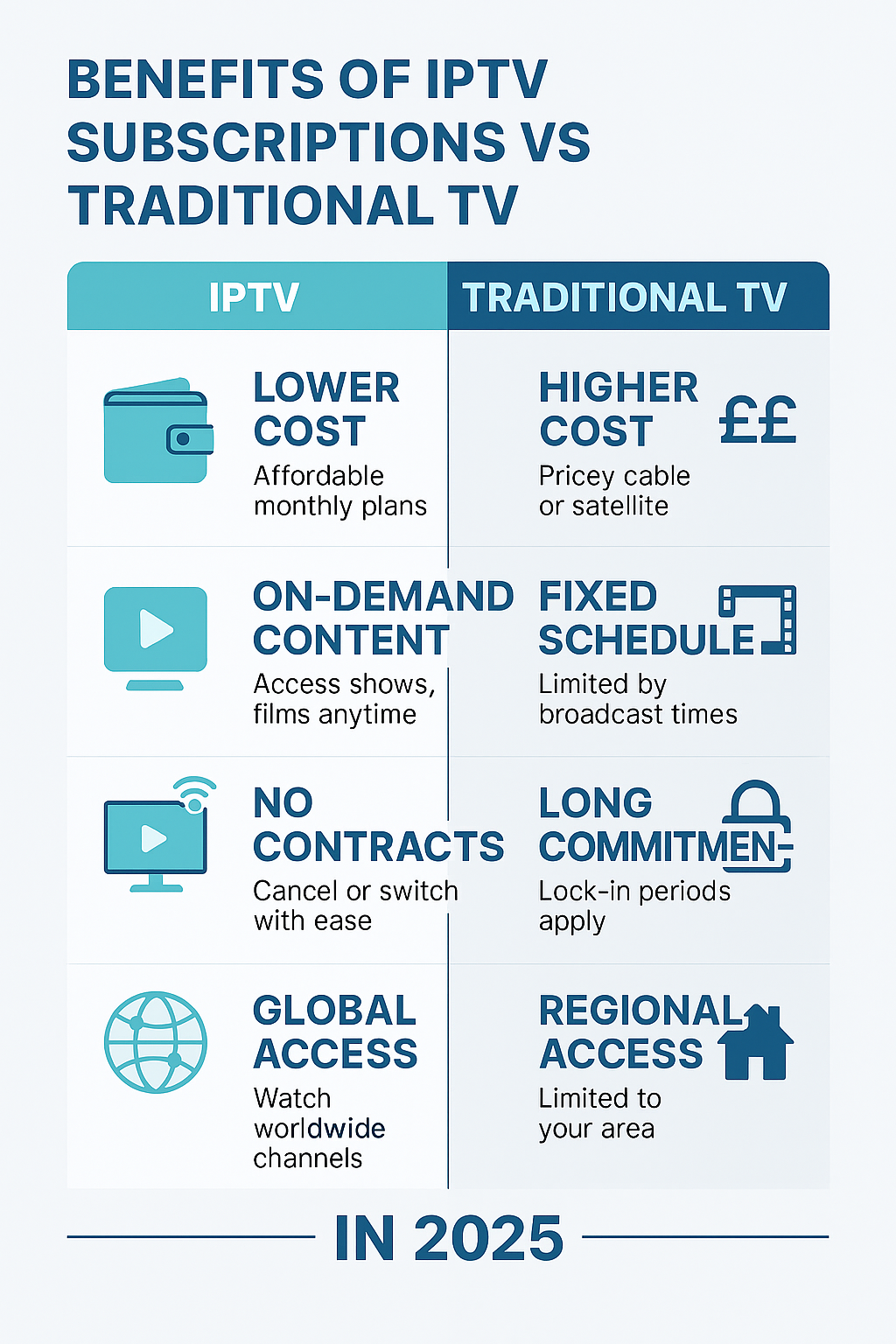
IPTV comes with several notable advantages over traditional cable or satellite TV. One of the primary benefits is cost savings. Many IPTV services offer competitive pricing and a variety of packages, making it more affordable for consumers. Additionally, IPTV provides unparalleled flexibility, allowing viewers to access live TV and video-on-demand content whenever they choose.
Another significant advantage is accessing geo-blocked content. IPTV allows users to bypass regional restrictions, enabling them to enjoy shows and channels that may not be available in their home country. This aspect is particularly appealing in Canada, where subscriptions to IPTV services can offer access to popular US channels.
Data-driven insights indicate a growing preference for IPTV, especially regarding user experience. Sports coverage, in particular, is enhanced through IPTV, offering features like multiple viewing angles and real-time stats that traditional services may not provide. As the IPTV market continues to grow, consumers can expect an increasingly robust content library and unique viewing experiences.
Legal vs. Unofficial IPTV Services
When navigating the IPTV landscape, it is essential to differentiate between legal providers and unofficial third-party services. Licensed IPTV providers operate within the law, offering a reliable viewing experience with necessary rights for broadcasting their content. These services often come with additional features, regional availability, and customer support.
On the other hand, unofficial IPTV services may not have the required licensing, posing significant risks to users. These unlicensed options can lead to lower-quality streaming, potential legal repercussions, and security issues, including exposure to malware. It’s crucial for viewers to thoroughly verify the licensing status of IPTV services to ensure a safe and enjoyable experience.
FAQ Section
What is IPTV?
IPTV, or Internet Protocol Television, is a method of streaming television content over internet protocol networks, enabling users to watch both live TV and video-on-demand services. For more details on how it works, you can refer to this page.
Is IPTV legal in the USA and Canada?
IPTV services can be legal or illegal based on their licensing status. Legal IPTV services have the necessary agreements to broadcast content, while unlicensed services may infringe on copyrights. For more information, visit this link.
How much bandwidth is needed for IPTV?
To enjoy HD streaming on IPTV, a minimum bandwidth of 5-10 Mbps is usually recommended, depending on the number of devices connected and other network activities. Factors such as your internet connection and network congestion can also affect streaming performance. For further details, check this source.
What devices are compatible with IPTV?
IPTV can be accessed through various devices, including smart TVs, set-top boxes, streaming sticks, computers, and mobile devices. Many modern TVs come equipped with apps that support IPTV streaming. For a full list of compatible devices, see this article.
Can I access IPTV services internationally?
Yes, users can access different IPTV services when traveling, although availability may vary by region. Using a VPN can help in bypassing geographical restrictions, allowing for a more seamless viewing experience. Learn more about this topic from this source.
Conclusion
In summary, IPTV presents a modern and advantageous alternative to traditional television broadcasting, showcasing its historical context and immense benefits. The service offers viewers in the USA and Canada a cost-effective way to enjoy live TV and video-on-demand options. As IPTV continues to evolve, it promises a flexible and diverse viewing experience for all. Discover the various IPTV services available today to find the one that best fits your entertainment preferences.
“`